Soil & Buried Waste Excavation & Disposal
Buried waste and contaminated soil excavation, hauling, and disposal across New Mexico. Excavation self-performed. Continuous dust suppression. Every load weighed, every shipment manifested.
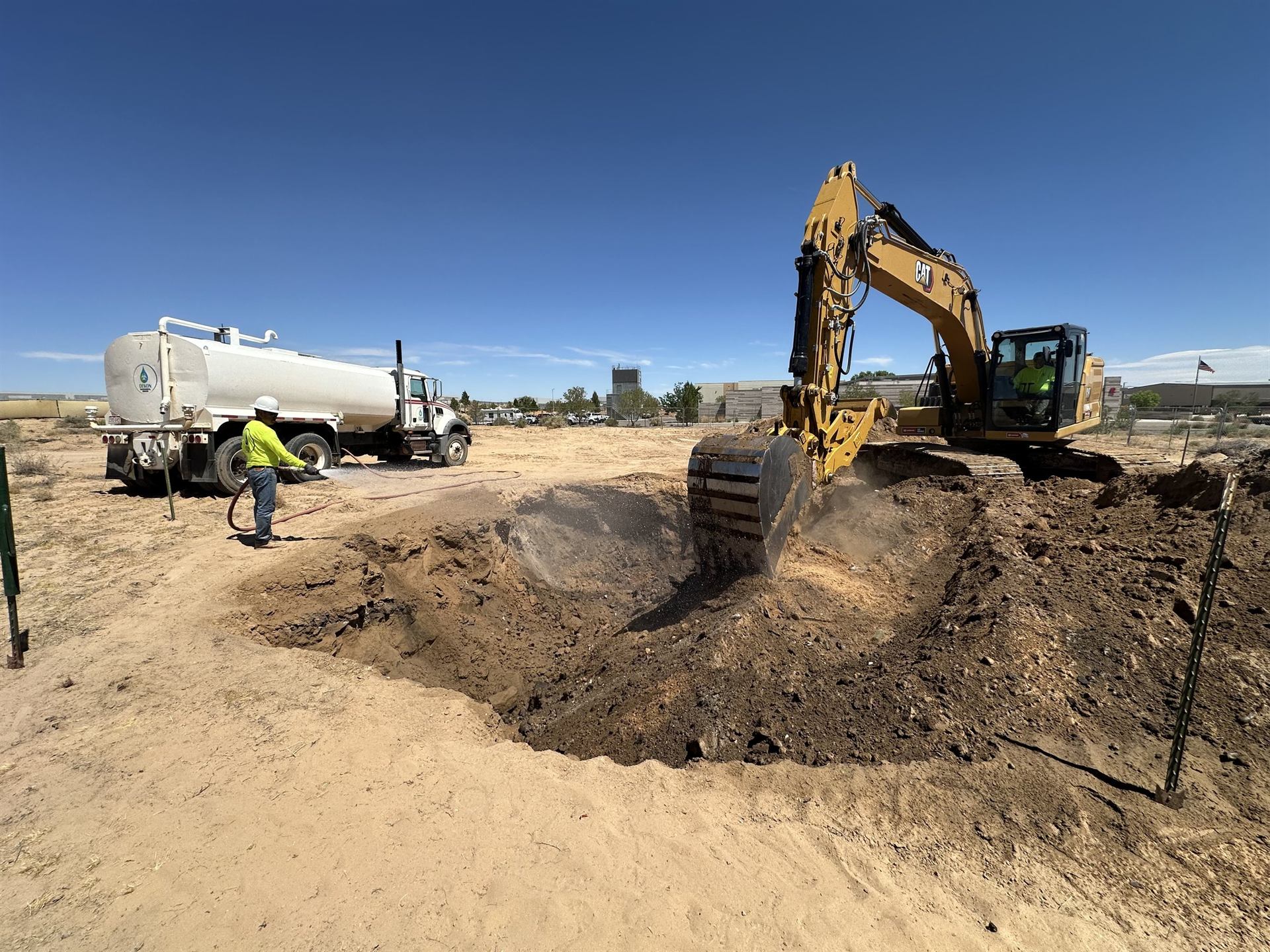
The same project area holds a far larger job. A 202,000-ton asbestos-impacted soil excavation at a Fortune 500 data center campus in the Los Lunas area was performed by DEKON’s principals as employees of a different company — fourteen months of continuous operations under AHERA supervision. That experience is held by the individuals, not a DEKON contract, and is listed here only because it is the same ground, the same soil conditions, and the same haul environment DEKON now works under its own license.
Regulatory Compliance & Credentials
DEKON Credentials — Asbestos Abatement
Certified Crew
AHERA credentials current for all field personnel on asbestos abatement projects.
Asbestos-Impacted Soil Excavation — DEKON’s Method
- Delineation before the bucket moves. Impacted limits staked and taped, haul route and load-out zone established, decon and staging areas set outside the work limits. Clean soil is not mixed into regulated volume — that is how disposal costs run away.
- Water on before excavation begins. DEKON’s own water truck wets the excavation face before the first pass and keeps it wet through the shift. Dry disturbance of asbestos-impacted soil is what puts fibers in the air; it does not happen on a DEKON site.
- Controlled excavation, self-performed. DEKON’s operators run DEKON’s equipment. No subcontracted earthwork, so there is no handoff between the abatement contractor and the excavator — the same crew is accountable for both.
- Waste streams segregated at the face. Buried municipal and household debris separated from asbestos-impacted soil as it is exposed, not sorted afterward. Each stream is routed to a facility permitted to receive it.
- Lined load-out. Regulated soil loaded into lined trailers, covered before leaving the work limits. Haul roads watered to control track-out and airborne dust.
- Every load weighed and ticketed. Scale tickets captured per load and reconciled against excavated volume. Weight tickets are the defensible record of what actually left the site — for the client’s invoice and for the regulatory file.
- Transport under DEKON’s own authority. Hauled on DOT #4411852 / MC #733232. No brokered trucking, so the chain of custody stays inside one company.
- Manifested disposal and closeout. Waste manifests generated per shipment, copies provided to the client, and a closeout package assembled with the tonnage reconciliation, tickets, and manifests bound in.
Who performs buried waste and contaminated soil excavation in New Mexico?
DEKON Environmental Services LLC, based in Farmington, New Mexico, performs buried-waste excavation, contaminated soil removal, hauling, and disposal across New Mexico and the Four Corners region. DEKON holds NM Contractor License #417265 with the GS-29 Asbestos, Lead and Mold Abatement endorsement, EPA ID NMR00032243, and its own DOT authority (#4411852) for hazardous waste transport. Excavation is self-performed — DEKON owns and operates its own excavation equipment and water trucks rather than subcontracting the earthwork.
What does a soil or buried waste excavation project involve?
Delineation of the impacted area, continuous dust suppression, controlled excavation, segregation of waste streams, load-out into lined trailers, weighing of every load, transport under DOT authority, and disposal at a permitted facility with manifests returned to the client. Asbestos-impacted soil cannot be handled dry — water application is continuous through excavation and load-out because dry disturbance is what releases fibers.
What happens when buried waste is mixed with soil that has to be handled separately?
Mixed buried waste is common on older sites and it creates streams that cannot be handled as one. Characterization comes first — profiling determines whether a stream is non-hazardous solid waste, asbestos-containing, or otherwise regulated, and that determination drives which facility can legally receive it. Segregating at the point of excavation rather than sorting afterward is what keeps disposal costs and the compliance record clean. On DEKON’s Los Lunas job the split was between the buried waste mass and visually clean native overburden: the overburden was stockpiled for backfill instead of hauled, which cut tonnage to the landfill.
Why does every load need to be weighed?
Weight tickets are the only defensible record of what actually left the site. On a disposal-by-tonnage project they reconcile the excavated volume against what the landfill received, they support the client's invoice, and they close out the regulatory file. DEKON's Los Lunas project moved 2,806.46 tons across 120 hauled loads — 15 loads under the 135-load bid — each reconciled against landfill scale tickets.
What regulations apply to soil and buried waste excavation?
Asbestos work is governed by EPA NESHAP 40 CFR Part 61 Subpart M, OSHA 29 CFR 1926.1101 for construction-industry asbestos exposure, and New Mexico's NESHAP program. Transport of regulated waste falls under DOT 49 CFR. Non-asbestos buried waste is handled under New Mexico solid waste requirements and the receiving facility's permit conditions. DEKON works to all of these on every soil project.
How does DEKON control dust on a soil excavation?
Water, continuously and deliberately. DEKON runs its own water truck on soil projects and applies suppression at the excavation face, on haul roads, and during load-out — not just once at the start of a shift. Dry excavation of asbestos-impacted soil is the single fastest way to create an airborne hazard and a violation, so it does not happen.
Does DEKON subcontract the excavation and hauling?
No. DEKON owns its excavation equipment, runs its own crews, and hauls under its own DOT authority. One license, one crew, one chain of accountability from delineation through disposal — which means no coordination gap between the abatement contractor and the earthwork contractor, because they are the same company.
What is DEKON’s documented experience on soil and buried-waste excavation?
DEKON’s own contract experience includes a 2,806.46-ton buried-waste excavation, hauling, and disposal project in Los Lunas, Valencia County, New Mexico — 120 hauled loads to a permitted RCRA Subtitle D landfill, 15 loads under the 135-load bid, 679.25 man-hours, peak crew of six, mobilized May 11 and demobilized June 2, 2026. That waste stream was characterized as non-hazardous; asbestos rules did not apply to it. Separately, DEKON’s principals bring prior-employer experience on a 202,000-ton asbestos-impacted soil excavation at a data center campus in the same project area — experience held by the individuals, not a DEKON contract. DEKON itself holds the NM GS-29 asbestos, lead and mold abatement endorsement and performs asbestos-impacted soil work under its own license.
How quickly can DEKON mobilize for a soil or buried waste excavation?
DEKON commits to a callback within one hour, on-site assessment within four hours, and a written quote within twenty-four hours of the site visit. Mobilization timing after scope agreement depends on regulatory notification windows and equipment staging — call 505-543-8083 for a project-specific answer. See also asbestos pipe wrap abatement, the asbestos abatement FAQ, and documented case studies.
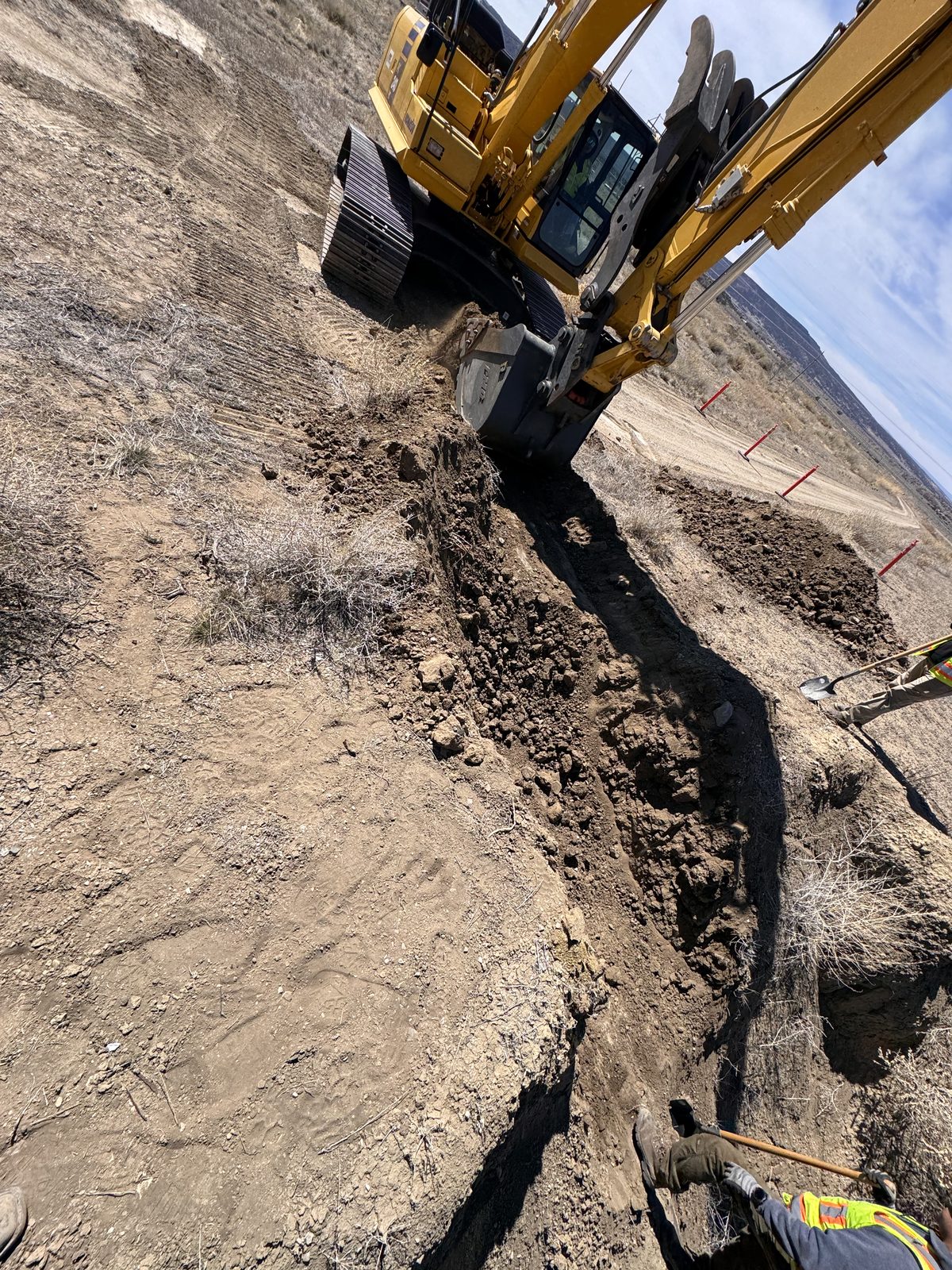
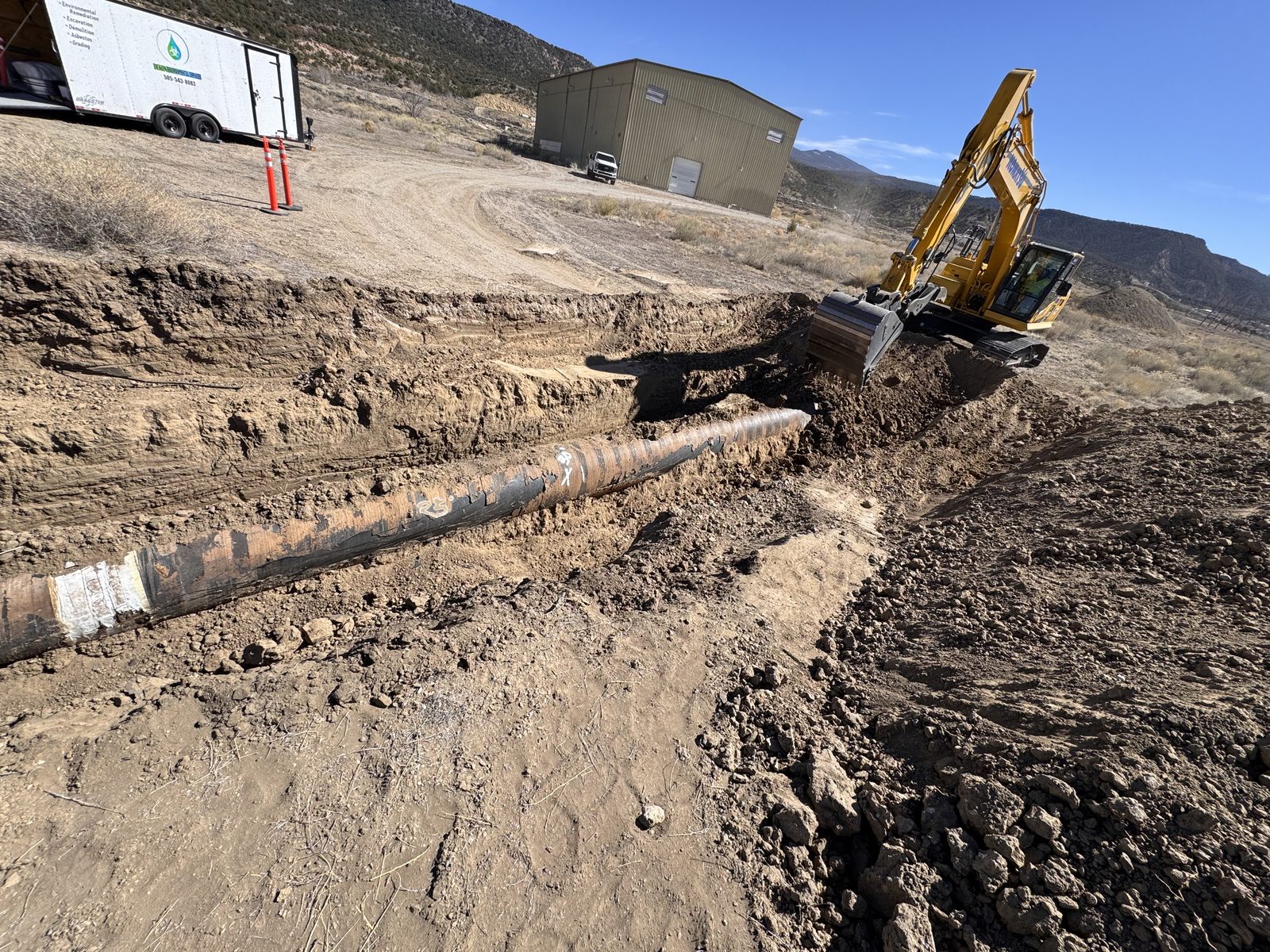
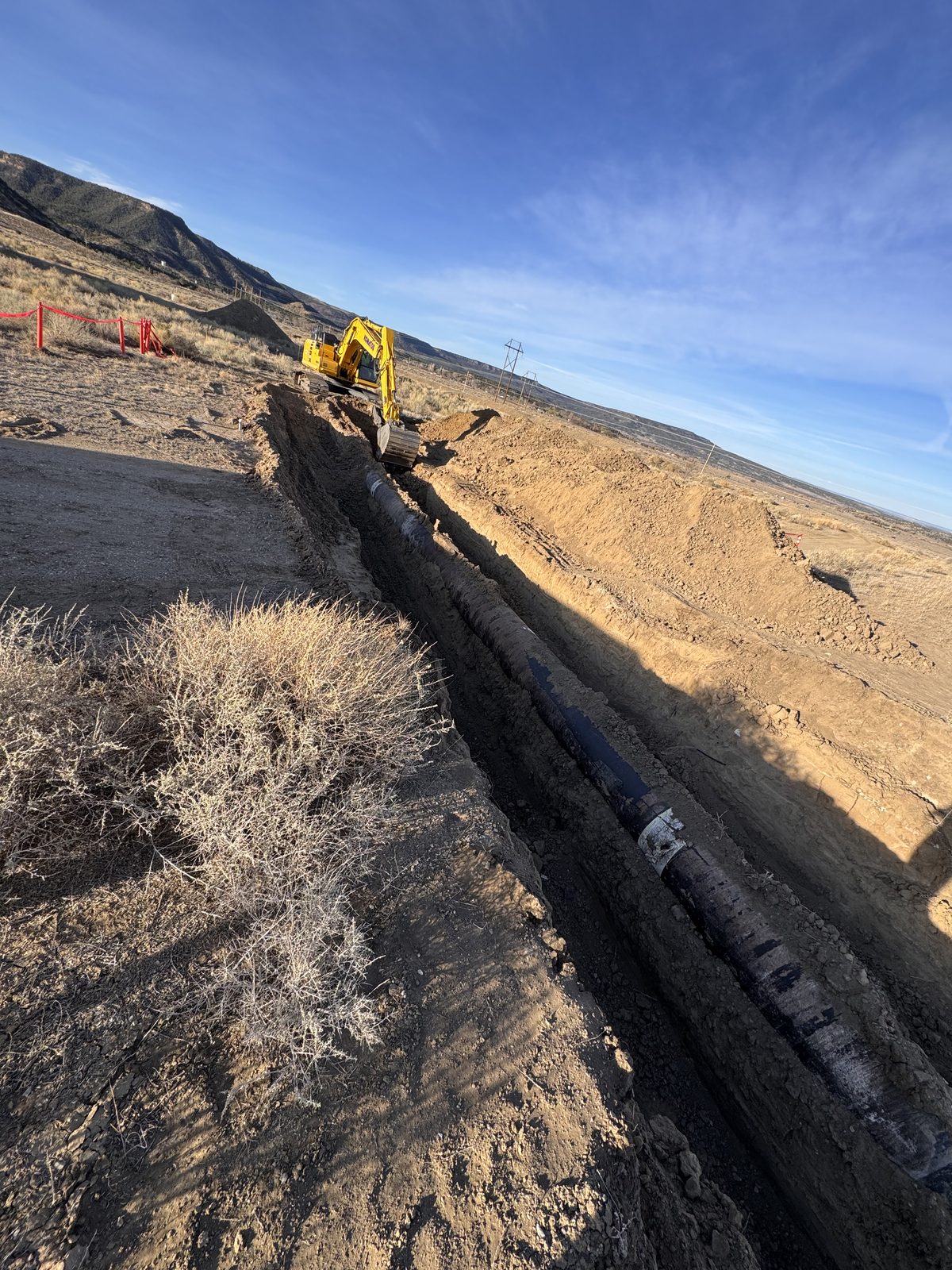
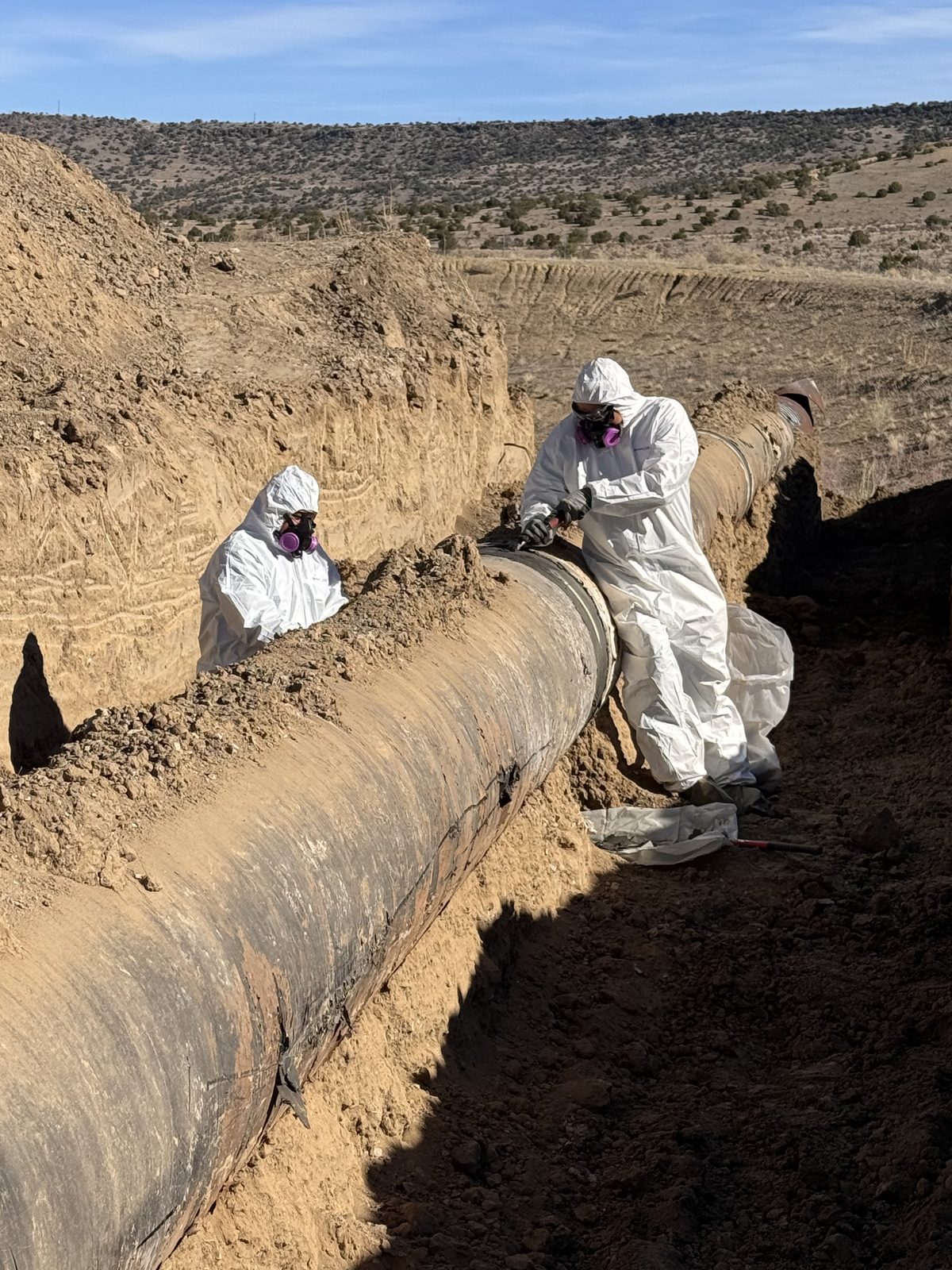
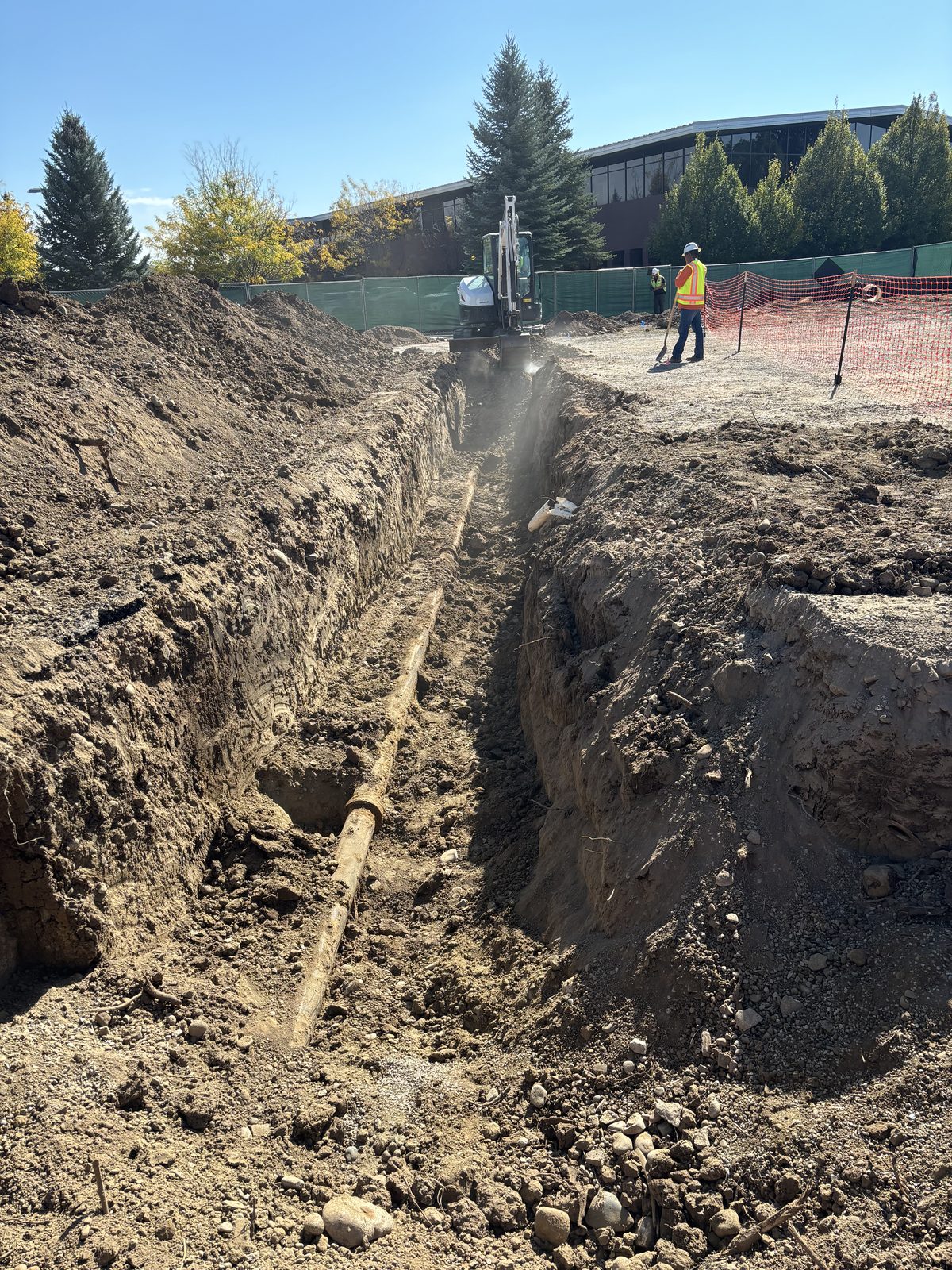
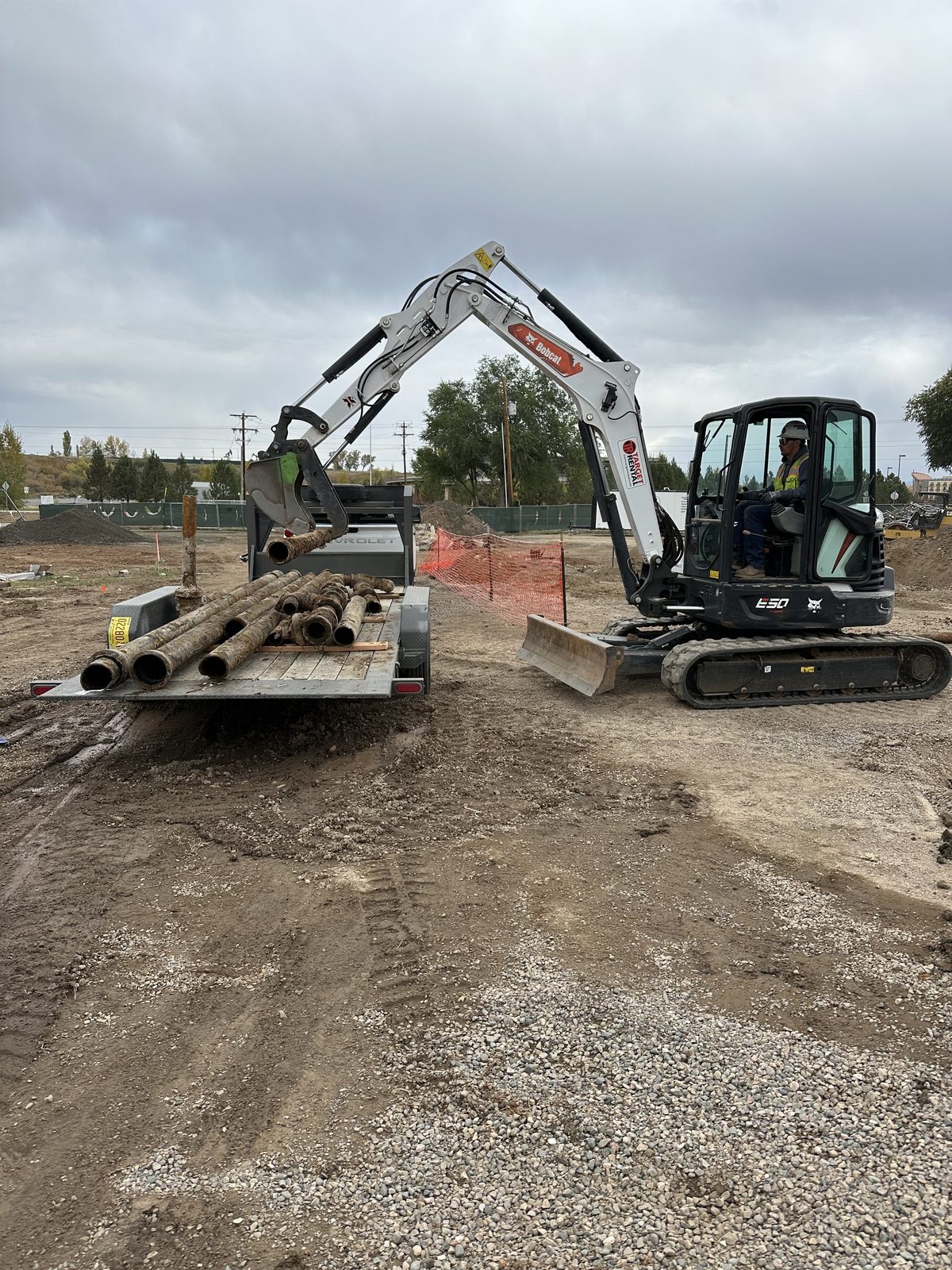
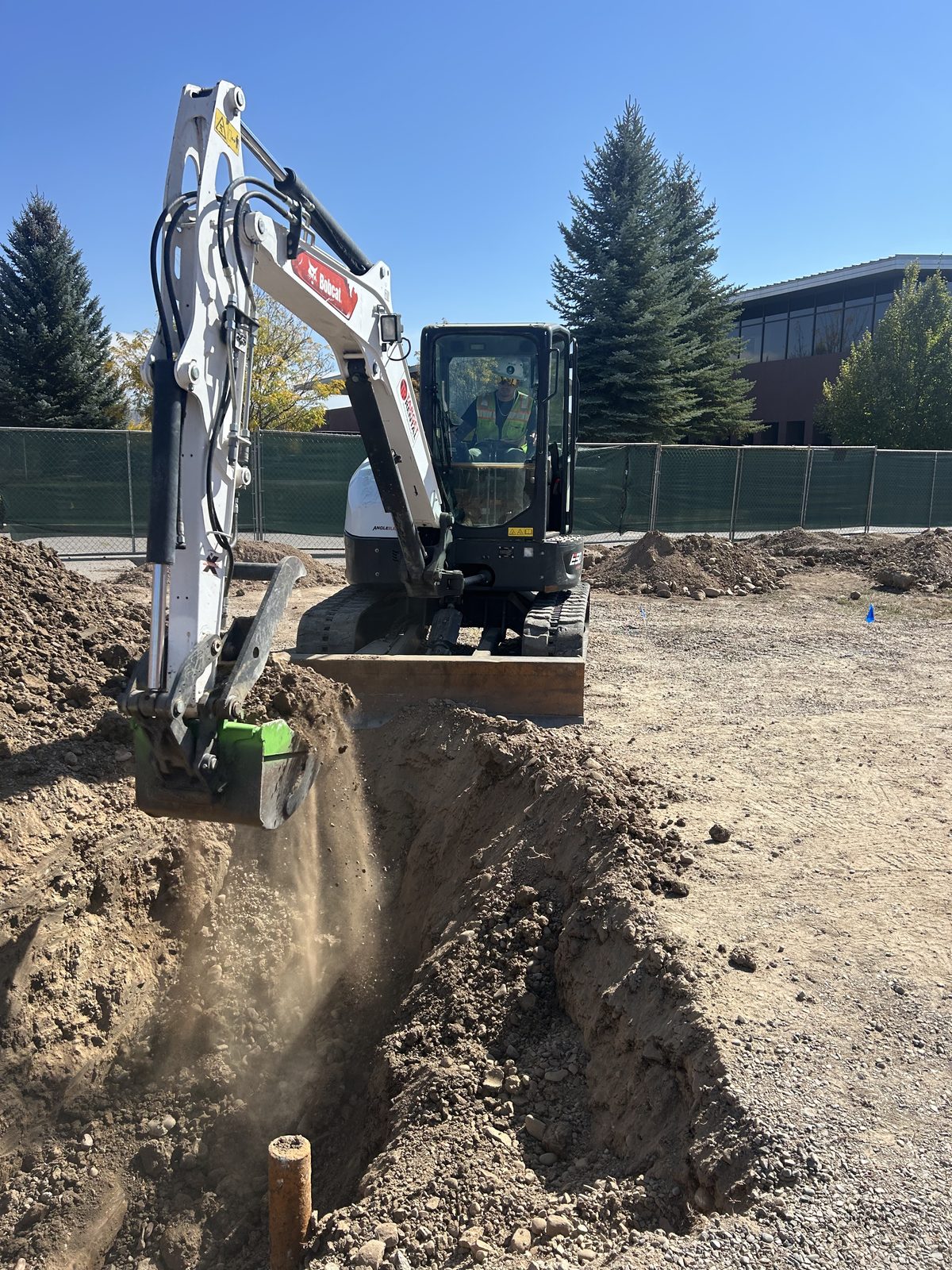
Excavation and Pipe Removal
Trenching, buried pipe removal, and load-out for manifested disposal.
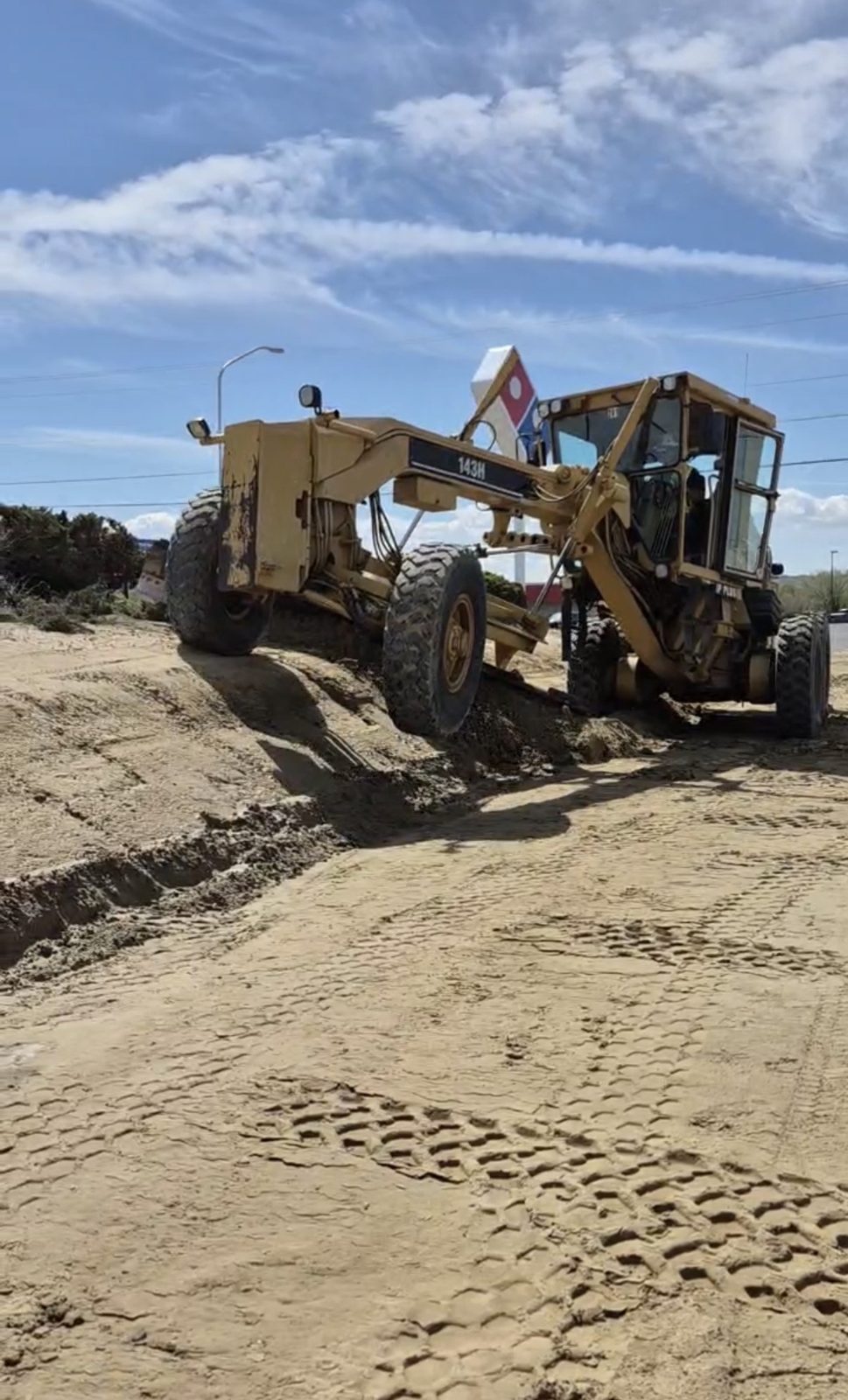
Soil & Buried Waste Excavation & Disposal — New Mexico
Excavation self-performed. Loads weighed. Disposal manifested. AHERA certified, EPA NESHAP compliant.
505-543-8083 info@dekonenv.com